Our #1 Tip For Reducing COGs In Your Restaurant
Running a restaurant is a juggling act. One minute you’re creating dishes your guests will rave about, the next you’re staring at invoices, wondering why your food costs keep creeping up. If that sounds familiar, you’re not alone.
At U-Nique Accounting, we’ve seen this play out in kitchens big and small. There are many ways to reduce the Cost of Goods for restaurants, from reducing waste and optimizing menus to negotiating with suppliers and training staff.
All those are sound tactics to reduce COGs. But if we had to pinpoint our #1 tip, it would have to be this:
Standardize your recipes and portions from the moment ingredients come in until they leave the kitchen on a plate.
Why This Simple Shift Makes A Huge Difference
When recipes and portions vary from shift to shift, small overages add up fast. A little extra protein here or an extra ladle of sauce there, multiplied by hundreds of covers, silently cuts into your profit. Reducing COGs In Your Restaurant starts with consistent portions that prevent these hidden losses.
By locking in recipe cards, portion sizes, and yield tests, you know exactly what each dish costs, and you stop paying for food you never actually sell.
Standardized recipes let you calculate edible yields, set precise portion sizes, and build menu prices and purchasing around real costs. This consistency is where the biggest and most reliable savings come from and it plays a crucial role in Reducing COGs In Your Restaurant.
How To Put It Into Practice
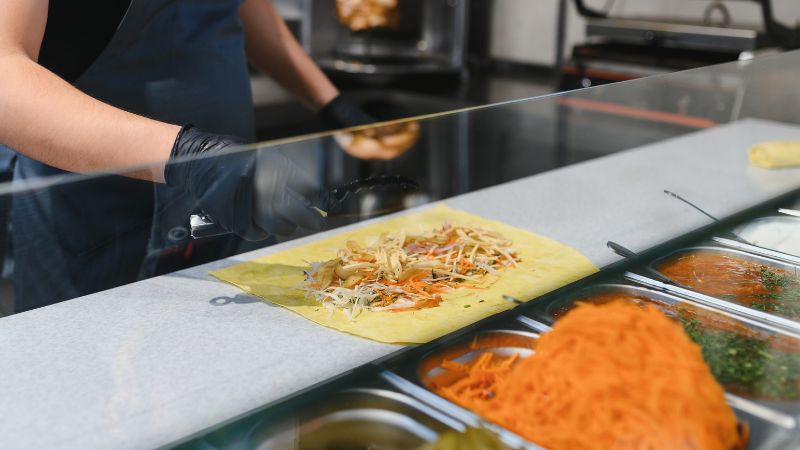
Pick your top-selling or highest-cost dishes and create a recipe card for each. Write down the ingredient weights (before and after prep), yield percentages, exact portion size and prep steps. Use scales, scoops and ladles to help your cooks stay consistent.
Do a quick yield test on proteins and produce. Weigh items before trimming, prep as usual, then weigh again to determine the usable portion. This gives you the true cost per usable unit essential information for pricing and purchasing decisions and a key step in Reducing COGs In Your Restaurant.
Once you have your recipes and portions in place, train your team. Five minutes at the lineup each day to review portioning and waste tracking can work wonders. Keep a simple waste log to see where spoilage or overproduction is happening. It doesn’t have to be fancy; a clipboard or shared spreadsheet does the job.
Once your recipes and portions are under control, many other cost-cutting tactics become far more effective. You can link your POS and inventory to view food costs in near real time, and you can compare suppliers based on what you actually use, not just the invoice price. These systems make Reducing COGs In Your Restaurant easier and more accurate. Additionally, breweries looking to optimize operations can explore the R&D Tax Credit for Breweries, which can provide valuable financial relief for research and development activities, making your cost management strategy even more impactful.
What To Do Next?
You don’t have to overhaul your entire operation overnight, but if you’re focused on Reducing COGs In Your Restaurant, start with our #1 tip. Even small, consistent changes can shave several points off your food cost percentage without affecting the guest experience.
If your books are in order and your accounts are organized correctly, you’ll be able to see the impact of these changes quickly. The key to Reducing COGs In Your Restaurant is simply to start somewhere, track your progress, and make smart tweaks along the way.
At U-Nique Accounting, we’re a team of accounting experts with years of experience working with restaurants and breweries. If you need more clarity in your monthly financial reports, then book a meeting with us below and hear how we specialize in using Xero to track and report your finances..
We’d love to help you lower your restaurant’s costs so you can focus on what you do best – delighting your guests.

By MATT CIANCIARULO